SEOMay 13, 2026
Rethinking Keyword Strategies: Adapting to Semantic SEO in 2024
Explore the transformation of keyword strategies with semantic SEO. Learn how to adapt in 2024 by focusing on context, intent, and content relevancy.
Understanding Semantic SEO: The Basics
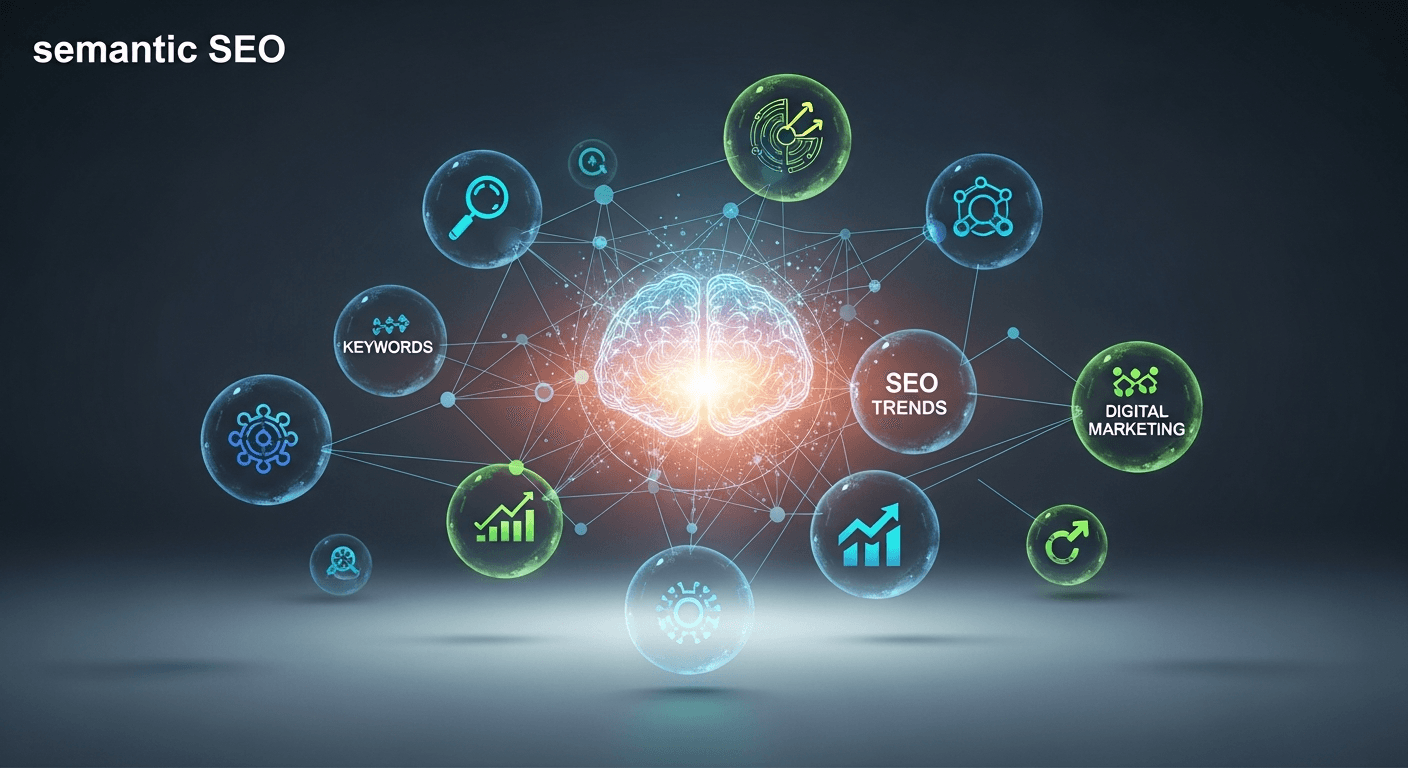
Semantic SEO is a strategy that focuses on improving the search relevance of a website by optimizing the meaning and context of its content. Instead of relying solely on individual keywords, semantic SEO considers the overall topic and the relationships between concepts within the content. This approach aligns with how search engines, especially Google, have evolved to understand content in a more human-like manner. In 2024, embracing semantic SEO is crucial for staying competitive in the ever-changing digital landscape.
The concept of semantic SEO revolves around the idea that search engines are moving from keyword-centric algorithms to more complex ones that understand the intent and context behind a query. This means that ranking highly requires a comprehensive understanding of user intent and the creation of content that answers the entirety of a query, rather than just matching individual keywords.
By prioritizing semantic SEO, businesses can enhance their content strategy to improve search visibility and provide more meaningful user experiences. This involves integrating related topics and terms, creating content clusters, and using structured data to help search engines understand the content better.

The Shift from Keywords to Context
Traditionally, SEO strategies have focused heavily on keyword optimization, emphasizing the need for exact match keywords in titles, headers, and throughout the content. However, with the advent of semantic search, the focus has shifted to context and user intent. Search engines are now more adept at understanding the context in which keywords are used, allowing them to deliver more accurate and relevant search results.
This shift means that content creators must think beyond keywords and consider how their content fits into a broader topic area. It involves analyzing user search behavior to identify what users are truly looking for and crafting content that provides exhaustive answers.
Understanding the context in which your audience searches allows you to structure your content to meet their needs precisely. This might include using synonyms, related phrases, and answering potential follow-up questions users might have.

Enhancing Content Relevance for Semantic Search
To enhance content relevance in the era of semantic search, it's essential to focus on creating content that is both comprehensive and interconnected. This can be achieved through a few key strategies, such as developing pillar content and topic clusters. Pillar content acts as a central hub of information on a broad topic, while topic clusters are subtopics that link back to the pillar content, providing in-depth coverage.
- Develop pillar content and topic clusters
- Use structured data to enhance content understanding
- Incorporate related terms and synonyms
Additionally, structured data plays a vital role in semantic SEO by helping search engines understand the context and structure of a webpage. Implementing schema markup can improve how content is displayed in search results, potentially leading to enhanced visibility and click-through rates.
Tip: Use schema markup to provide search engines with detailed information about your content, improving its visibility in search results.
Tools and Techniques for Semantic SEO Optimization
As semantic SEO becomes increasingly important, leveraging the right tools and techniques can significantly enhance your optimization efforts. Tools like Google's Natural Language API and SEMrush's Content Analyzer can provide insights into the semantic relevance of your content, helping you refine your strategy.
Techniques such as Latent Semantic Indexing (LSI) can also aid in identifying related terms that search engines associate with your primary keywords. This approach helps in expanding the semantic scope of your content, ensuring it aligns with a broader range of relevant queries.
- Utilize Google's Natural Language API
- Employ SEMrush's Content Analyzer
- Implement Latent Semantic Indexing
Case Studies: Success Stories with Semantic SEO
Numerous companies have successfully leveraged semantic SEO to improve their search visibility and user engagement. For instance, a leading e-commerce platform revamped its content strategy by focusing on semantic relevance. By creating comprehensive guides and linking related products, the platform saw a 30% increase in organic traffic within six months.
Another example involves a tech blog that utilized topic clusters to organize its content. By linking related articles under a central theme, the blog not only improved its search rankings but also enhanced user experience by providing readers with a logical content flow.
These case studies highlight the potential of semantic SEO in driving meaningful results. By shifting focus from isolated keywords to a more holistic content strategy, businesses can achieve lasting improvements in their SEO performance.
Semantic SEO is not just about using the right words; it's about understanding and delivering on user intent.