SEOMay 14, 2026
Navigating the Complexities of Multi-Channel SEO: Best Practices for 2024
Explore the intricacies of optimizing SEO across multiple channels in 2024 to enhance visibility and drive engagement.
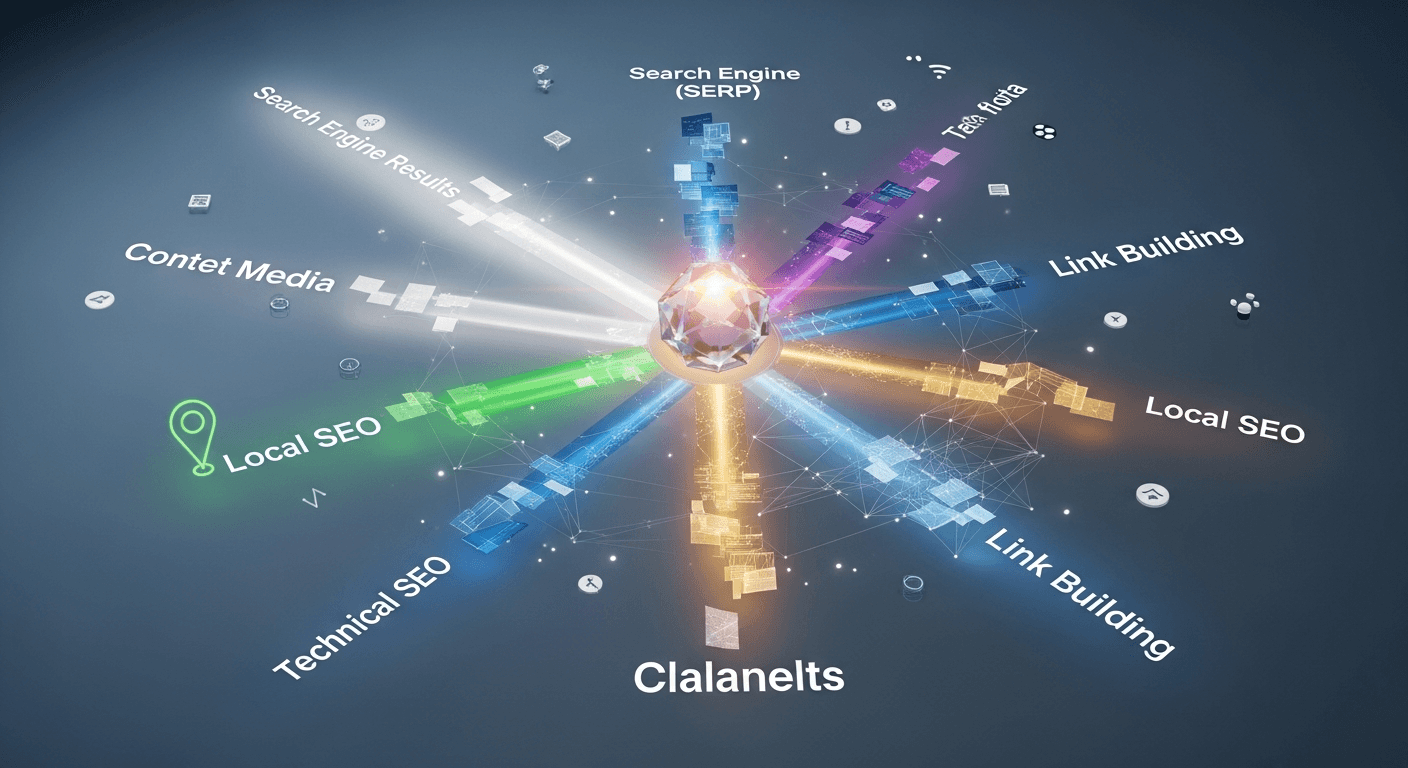
Understanding Multi-Channel SEO
Multi-channel SEO refers to the practice of optimizing a brand's presence across various digital platforms to improve visibility and search engine rankings. In the modern digital landscape, consumers interact with brands through multiple channels, including websites, social media, email, and more. Understanding how to leverage these channels effectively is crucial for ensuring that your business remains competitive in an increasingly connected world.
The primary goal of multi-channel SEO is to create a seamless user experience while ensuring that each channel contributes to the overall SEO strategy. This involves tailoring content and strategies to fit the specific nuances and audiences of each platform. As each channel has its own set of rules and algorithms, optimizing for multiple channels can be complex, requiring a comprehensive understanding of how each one impacts search performance.
An effective multi-channel SEO strategy not only increases the reach and visibility of a brand but also enhances user engagement and conversion rates. By ensuring consistency across all channels, businesses can build a stronger brand presence and improve customer loyalty. Multi-channel SEO is not just about being present on various platforms but making sure that presence is optimized to drive results.

Key Challenges in Multi-Channel SEO
One of the most significant challenges in multi-channel SEO is managing the diverse requirements and characteristics of each platform. For instance, what works on social media might not have the same impact on a traditional website. Each channel requires a unique approach, from content creation to user engagement tactics. This complexity can make it difficult for marketers to maintain a cohesive strategy across all channels.
Another challenge is the need to keep up with constantly changing algorithms and best practices. Search engines and platforms frequently update their algorithms, impacting how content is ranked and displayed. Staying ahead of these changes requires continuous learning and adaptation, which can be resource-intensive for businesses, especially those with limited marketing budgets.
- Consistent messaging across platforms
- Adapting to algorithm changes
- Resource allocation and management
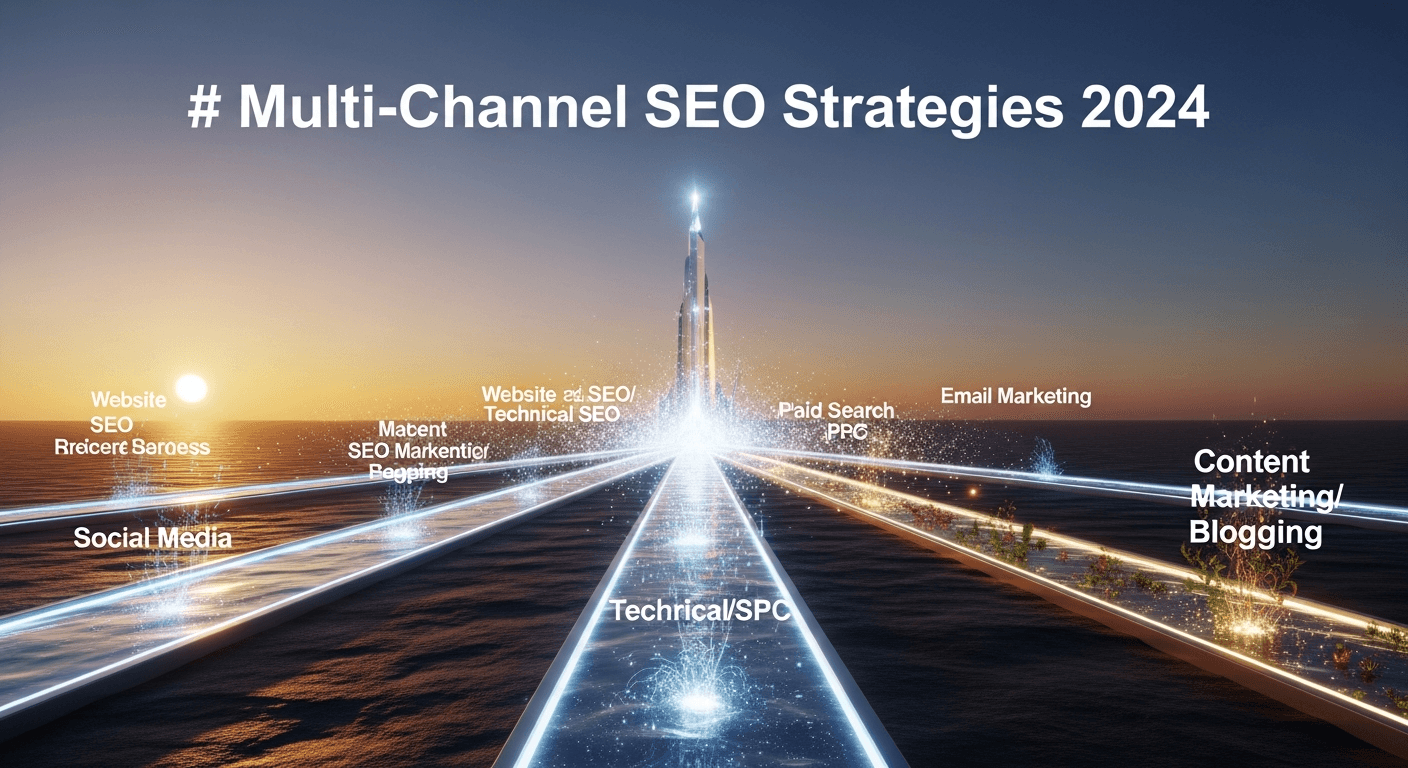
Strategies for Optimizing SEO Across Channels
To successfully optimize SEO across multiple channels, businesses need to develop a well-rounded strategy that considers the unique aspects of each platform. Start by identifying the primary channels where your audience engages and tailor your content strategy to meet their expectations. This might involve creating different types of content, such as videos for Instagram and long-form articles for LinkedIn.
Consistency is key. Ensure that your brand's messaging and voice are uniform across all channels. This not only helps in building brand recognition but also improves trust among your audience. Use tools like content calendars to plan and synchronize content across platforms, ensuring that each piece aligns with your overall SEO objectives.
Tip: Utilize analytics to track performance across channels and adjust strategies accordingly.
Incorporating SEO best practices into your content for each platform is essential. This includes optimizing keywords, meta descriptions, and titles, as well as ensuring mobile-friendliness and fast loading times. Additionally, leverage user-generated content and engage with your audience through comments and direct interactions to boost visibility and credibility.
Tools and Technologies for Multi-Channel SEO
Several tools can assist in managing and optimizing multi-channel SEO efforts. These tools help streamline processes, track performance, and automate certain tasks, allowing marketers to focus on strategic planning. Popular tools include SEMrush and Ahrefs for keyword research and competitor analysis, as well as Hootsuite and Buffer for social media management.
Google Analytics remains a cornerstone tool for tracking website traffic and user behavior, providing insights that are crucial for refining SEO strategies. For more specialized needs, tools like Moz and Screaming Frog offer features tailored to specific SEO tasks, such as backlink analysis and technical site audits.
- SEMrush for comprehensive SEO insights
- Buffer for scheduling social media posts
- Google Analytics for tracking website performance
Future Trends in Multi-Channel SEO
Looking ahead, several trends are expected to shape the landscape of multi-channel SEO. Voice search continues to grow in popularity, necessitating the need for optimizing content for natural language queries. Similarly, visual search and the use of AI in search algorithms are becoming more prevalent, requiring marketers to adapt their strategies to these emerging technologies.
Another significant trend is the increasing importance of video content across channels. Platforms like YouTube and TikTok are driving this shift, making it essential for businesses to incorporate video into their SEO strategies. Additionally, personalization and user experience will play a crucial role, with search engines prioritizing content that delivers a more tailored experience.
Note: Embrace AI and machine learning tools to enhance the effectiveness of your SEO strategies.
The future of SEO is multi-channel, and those who adapt will thrive.